
SiGa Systems helps logistics and transportation businesses in Houston, Dallas, Austin, and across Texas develop custom logistics software, connect existing systems, and improve shipment tracking and daily operations. We focus on understanding your workflows and building practical software around your business needs.
Trusted by Organizations Building for What’s Next










CHALLENGES
Logistics and transportation businesses across Texas manage shipments, deliveries, fleets, and information across multiple systems. When these systems don’t work together, keeping daily operations on track becomes more difficult.

Logistics and transportation businesses have different workflows, systems, and operational needs. Our custom logistics software development services help Texas businesses manage shipments, connect existing applications, and improve day-to-day coordination.
Keep shipment details, delivery updates, and order statuses organized in one place. Our shipment tracking software development services help teams follow delivery progress and identify delays more easily.
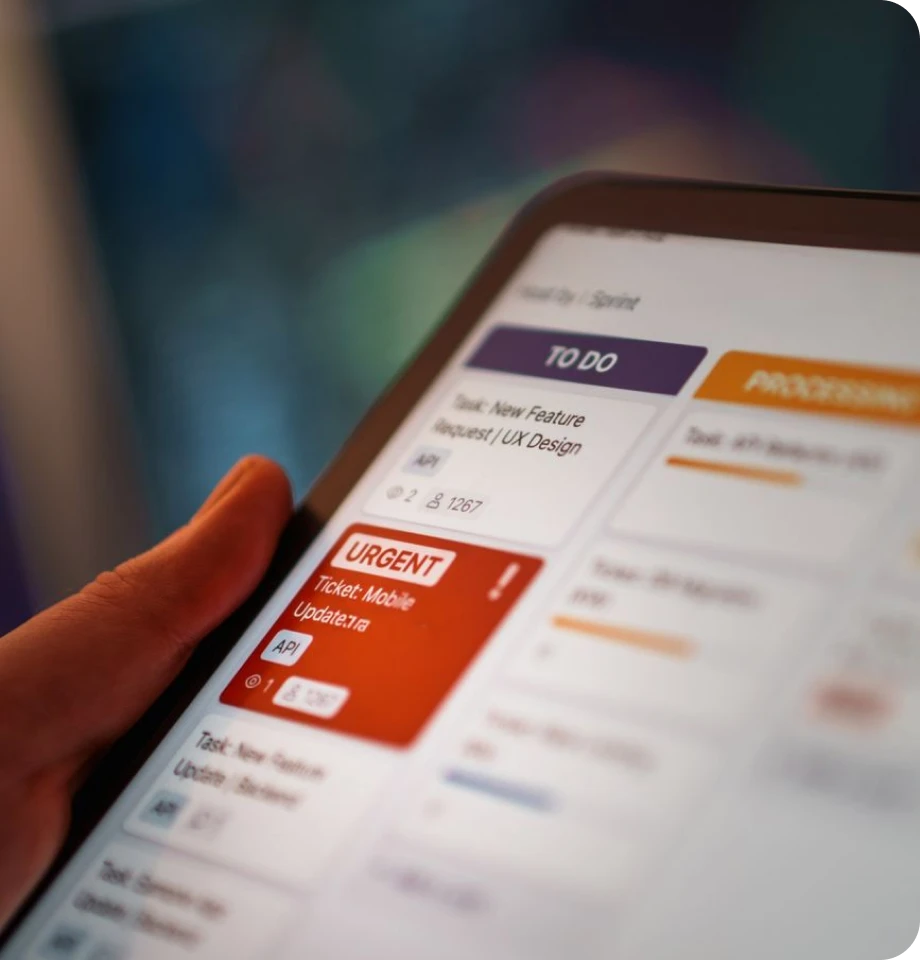
Managing vehicles, drivers, and schedules shouldn’t mean switching between multiple systems. We develop custom fleet management software to help transportation businesses coordinate daily operations and track fleet activity.

Your logistics systems need to share information, not operate separately. We develop integrations between transportation management systems (TMS), warehouse management systems (WMS), ERP platforms, and other business applications, depending on their available integration options.
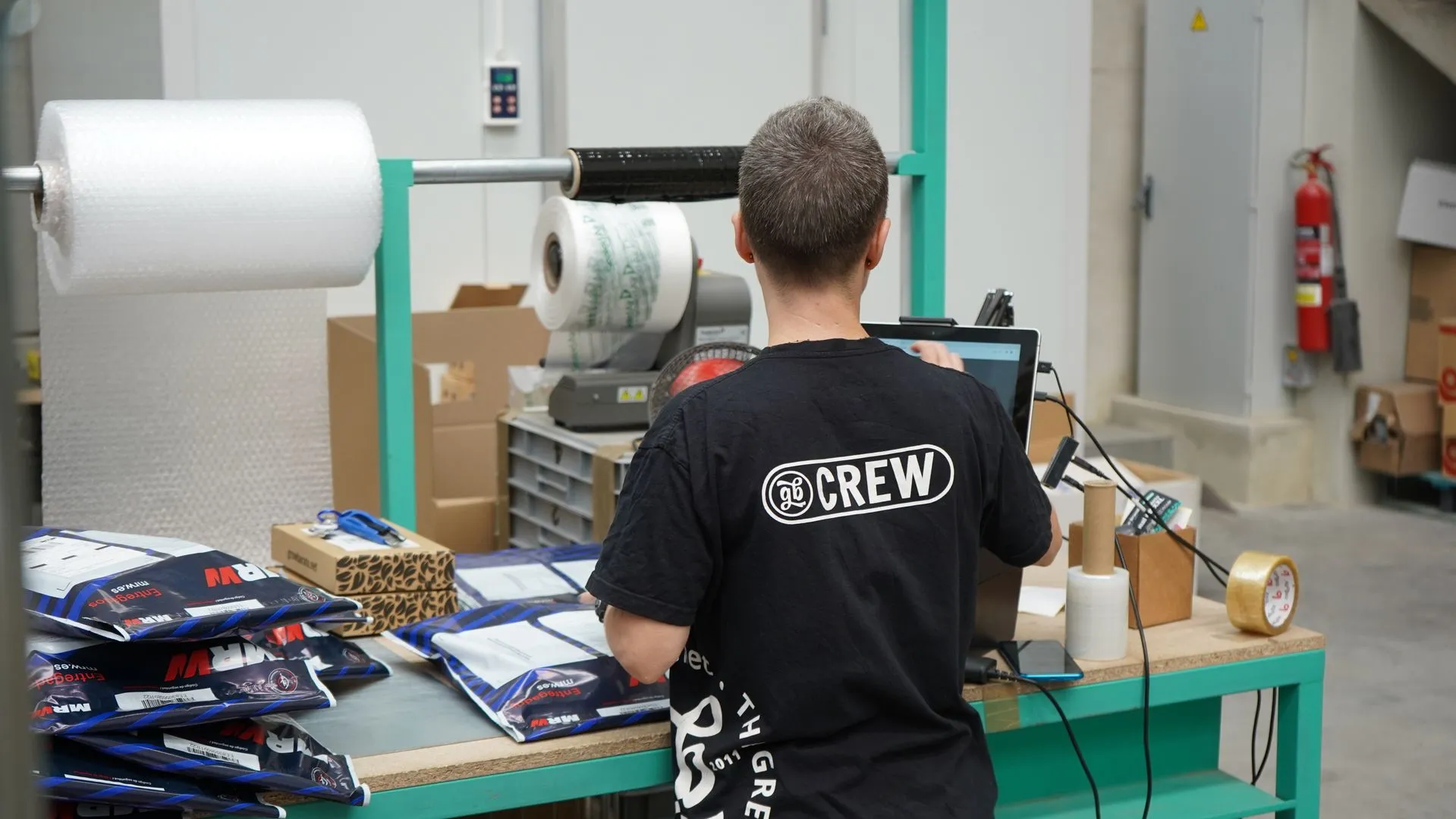
Shipment updates, approvals, notifications, and data transfers can take up valuable time. Our logistics workflow automation solutions help reduce repetitive tasks while keeping teams involved where decisions are needed.

Bring shipment, fleet, and operational data together for a clearer view of your business. We build custom logistics dashboards that help teams monitor performance, review delivery activity, and access the information they need.

A delivery may involve dispatch teams, drivers, warehouse staff, and customer service, each working with different information.
When shipment updates are delayed or scattered across systems, teams may spend more time checking statuses than responding to operational needs.
Custom logistics software can help make information more accessible throughout the delivery process. Depending on the project, potential benefits include:
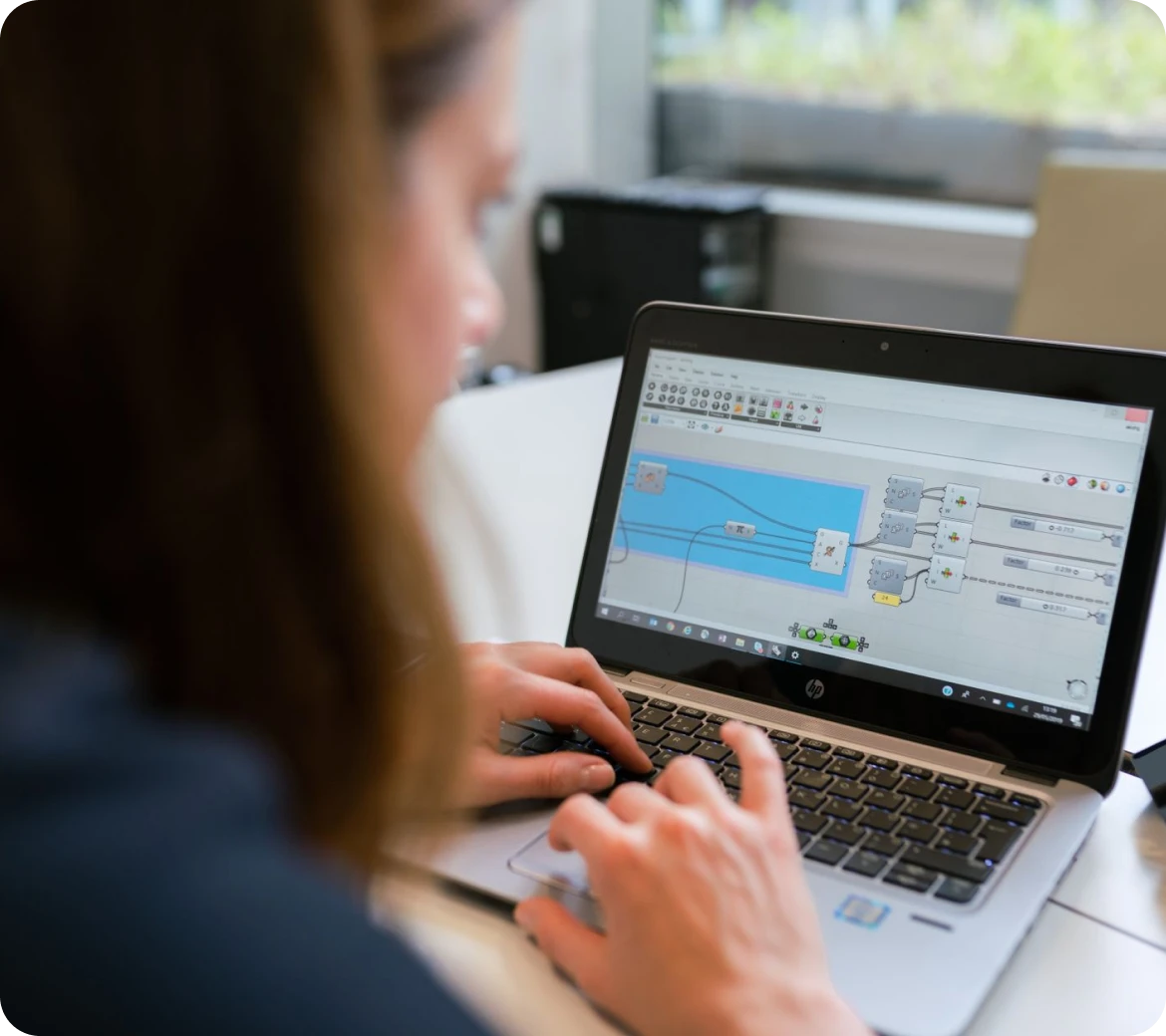
Different operational challenges call for different solutions. The priority depends on where information, coordination, or existing software is limiting your business.
Logistics Challenges and Their Potential Solutions.
Saas Challenges
Potential Solutions
Identifying the most disruptive operational gap can help determine whether your business needs a focused improvement, an integration, or a larger custom application.
HOW WE WORK
We develop logistics software around your workflows, existing systems, and operational needs, from planning to ongoing improvements.
01
We examine your logistics workflows, existing platforms, and the challenges affecting shipment and transportation management.
02
We plan the application structure, required integrations, and features around your operational priorities.
03
Our team develops and tests your logistics software, with attention to usability, system compatibility, and performance.
04
We support implementation, connect the necessary systems, and prepare your teams to use the new software.
05
As delivery volumes, workflows, or business requirements change, we can help maintain and improve your application.
WHY SIGA
Logistics businesses need technology that keeps pace with changing schedules, connected operations, and everyday demands. At SiGa Systems, we combine technical expertise with a practical approach to solving these challenges.

From shipment tracking to system integrations, we prioritize software that performs reliably under daily operational demands.
We stay involved in the details, address challenges as they arise, and remain accountable for agreed deliverables.
You’ll know where your project stands, what’s being worked on, and which decisions need your input.
As your delivery network and operational priorities change, we’re here to help your technology keep up.
Whether it’s improving dispatch workflows or connecting platforms, we consider the business impact before the technical approach.
Answers to common questions about developing, integrating, and improving logistics software.
Custom logistics software development involves building applications around specific transportation and logistics operations. This can include shipment tracking, fleet management, dispatch workflows, reporting, and connections between existing business systems.
Costs vary based on the application’s features, integrations, number of users, and technical complexity. A shipment tracking dashboard, for example, will have different requirements from a complete transportation management platform. We can discuss an estimate once the project scope is clear.
Integration may be possible depending on your transportation management system (TMS), warehouse management system (WMS), available APIs, and data access. We review your existing platforms before recommending an integration approach.
Not always. If your current platform still supports important operations, improving specific features or connecting it with other systems may be more practical than replacing it entirely.
Yes. Custom applications can support shared delivery schedules, shipment status updates, and notifications between dispatchers and drivers. The available functionality depends on your operational workflows, connectivity requirements, and existing systems.
SiGa Systems works with businesses on software development projects remotely, including logistics and transportation companies across Texas. We can discuss project requirements, communication, and delivery arrangements during an initial consultation.

4.8 Rate by 300+ Reviews
Whether you’re planning a custom logistics application, connecting existing platforms, or improving transportation workflows, we’d like to understand what you’re working on and help you identify the right approach.