
Modernize outdated software without losing the processes, data, and functionality your business already depends on.
Trusted by Businesses to Build Better Systems



CHALLENGES
Older systems can become harder to maintain, connect, and adapt as your business changes. Over time, even small updates can require more effort than they should.
Have a Different Challenge?
Every legacy system is different. Tell us what’s becoming difficult, and we’ll help you explore the right modernization approach.
Improve the parts of your existing software that are becoming difficult to maintain, update, or support as your business changes.
Modernize aging applications while preserving the workflows, data, and functionality your business still depends on.
Move existing applications, data, and functionality to newer platforms or environments with minimal disruption to ongoing operations.
Restructure outdated software architecture to make systems easier to maintain, integrate, and develop further.
Upgrade frameworks, databases, infrastructure, and other core technologies that are holding your software back.
Effective legacy application modernization should improve outdated software without disrupting the parts your business still relies on. It should address current limitations while making the system easier to maintain and change over time.
Keep valuable business logic, data, and workflows that continue to serve your business rather than rebuilding everything unnecessarily.
Focus on the technologies, components, and architecture that are creating real limitations for your system.
Replace outdated code, dependencies, and infrastructure that make your software difficult to maintain and update.
Modernize and migrate systems carefully to reduce disruption to users, data, and everyday operations.
Keep essential integrations and data flows working as applications, platforms, and underlying technologies are updated.
Create a stronger technical foundation that makes future updates, integrations, and new functionality easier to introduce.
Keep valuable business logic, data, and workflows that continue to serve your business rather than rebuilding everything unnecessarily.
Focus on the technologies, components, and architecture that are creating real limitations for your system.
Replace outdated code, dependencies, and infrastructure that make your software difficult to maintain and update.
Modernize and migrate systems carefully to reduce disruption to users, data, and everyday operations.
Keep essential integrations and data flows working as applications, platforms, and underlying technologies are updated.
Create a stronger technical foundation that makes future updates, integrations, and new functionality easier to introduce.
Every legacy system has a different history, architecture, and set of dependencies. We tailor the modernization approach around what your software needs today while protecting the parts your business still relies on.

Improve difficult-to-maintain code while preserving existing business logic and reducing the need for a complete rebuild.
Move and restructure data between existing and modernized systems while maintaining accuracy and continuity throughout the transition.
Update outdated libraries, frameworks, packages, and other dependencies that create maintenance, compatibility, or security limitations.
Upgrade or restructure legacy databases to improve maintainability, compatibility, and access to the information your applications depend on.
Move suitable applications, workloads, and infrastructure to modern environments based on your technical and operational requirements.
Introduce APIs that allow legacy applications to exchange data and functionality with newer platforms, services, and business systems.
Address application and infrastructure issues that cause slow response times, processing delays, or other performance limitations.
Update outdated authentication, permissions, and access controls to better support how the application is used today.
Test modernized components, integrations, data, and critical functionality to help identify issues before changes are introduced into everyday operations.
Improve visibility into application health, errors, and performance so technical issues can be identified and investigated more effectively.
Replacing an entire system isn’t always necessary. Legacy system modernization lets you address outdated technology and growing limitations while preserving the processes, data, and functionality that still work for your business.

Tell us what’s becoming difficult with your existing software, and we’ll help you explore the right modernization approach.
Answer a few questions about your current system, technical limitations, and business requirements to explore which approach may be the right fit.
INDUSTIRES WE SERVE
We modernize the legacy systems your industry relies on while preserving the critical data, workflows, and functionality your business still needs.
Modernize aging healthcare applications while preserving critical workflows, patient data, integrations, and functionality teams still rely on.

Update legacy production, inventory, planning, and operational systems without disrupting the processes that keep day-to-day operations running.
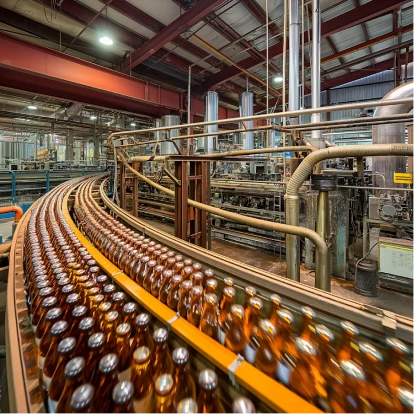
Modernize older transportation, warehouse, tracking, and order systems to improve maintainability and support changing operational needs.
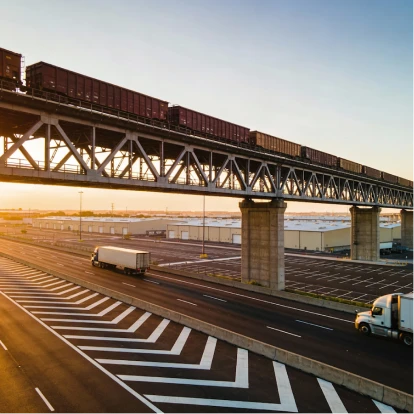
Modernize legacy financial applications and infrastructure while maintaining the reliability, security, and system connectivity financial operations depend on.

Upgrade aging SaaS products, architecture, frameworks, and infrastructure so they are easier to maintain, develop, and integrate with newer technologies.
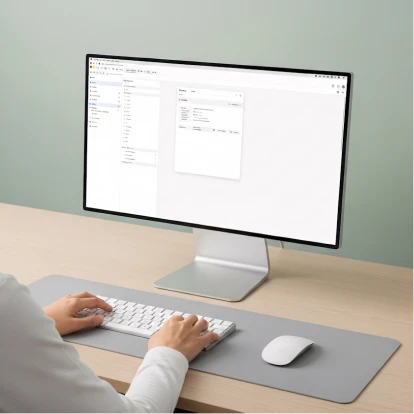
Modernize older commerce platforms and supporting systems while preserving essential product, order, payment, inventory, and customer workflows.

We modernize around what your existing software still does well, what is creating limitations, and what genuinely needs to change, without rebuilding or replacing more than necessary.

We modernize legacy software with careful attention to reliability, security, performance, and the stability of existing business-critical functionality.
We stay accountable throughout the process, from understanding the existing system and its dependencies to modernization, migration, testing, and implementation.
We keep you informed about what will change, what will remain, and any technical risks or dependencies that need to be considered along the way.
We stay involved after modernization as your software continues to evolve, helping with future updates, integrations, and technical improvements.
We don’t modernize technology simply because it is old. We focus on the changes that solve real limitations and make sense for how your business operates.
We had a great experience working with SiGa Systems on our website project. The team was proactive, approachable, and consistently delivered on time. They handled design, development, and maintenance with strong technical expertise and clear communication.

Head, Marketing at Myna Academy, Mumbai
SiGa Systems was amazing to work with. Their communication and timely responses made my first website launch smooth, successful, and set the bar high.

Cititec Talent
SiGa Systems did a great job managing several of my websites. They were reliable, responsive, professional, and easy to work with. I would definitely recommend them for webmaster services.

Safely
We’ve been working with SiGa Systems for nearly 1.5 years across multiple projects, and they have always been professional, reliable, and committed to high-quality work. They ask the right questions, understand the business, and communicate clearly. They genuinely care about the outcome.

DigiMinds Solutions
We had a great experience working with SiGa Systems on our website project. The team was proactive, approachable, and consistently delivered on time. They handled design, development, and maintenance with strong technical expertise and clear communication.
Head, Marketing at Myna Academy, Mumbai
SiGa Systems was amazing to work with. Their communication and timely responses made my first website launch smooth, successful, and set the bar high.
Cititec Talent
SiGa Systems did a great job managing several of my websites. They were reliable, responsive, professional, and easy to work with. I would definitely recommend them for webmaster services.
Safely
We’ve been working with SiGa Systems for nearly 1.5 years across multiple projects, and they have always been professional, reliable, and committed to high-quality work. They ask the right questions, understand the business, and communicate clearly. They genuinely care about the outcome.
DigiMinds Solutions
Trusted Business and clients
Build on your modernization project with solutions that connect systems, automate processes, improve visibility, and support how your software evolves over time.
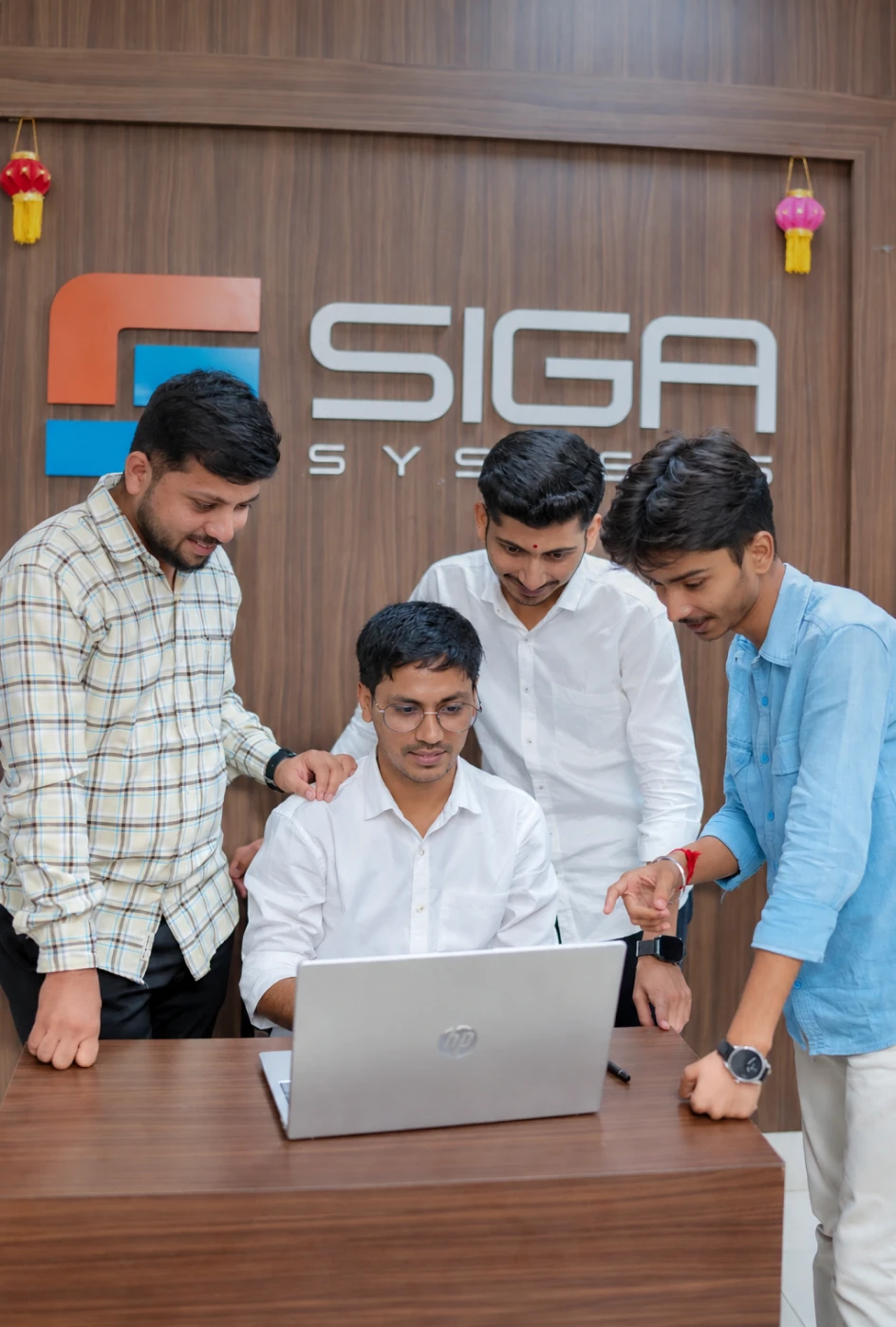
Connect your modernized software with CRM, ERP, APIs, and other applications your business relies on.
Build more connected business processes around your modernized systems, reducing manual coordination across teams, data, and applications.
Make better use of your system data through dashboards and reports that give teams clearer visibility into operations and performance.
Extend or replace legacy functionality with a management system built around your current workflows, teams, and operational requirements.
Connect your modernized software with CRM, ERP, APIs, and other applications your business relies on.
Build more connected business processes around your modernized systems, reducing manual coordination across teams, data, and applications.
Make better use of your system data through dashboards and reports that give teams clearer visibility into operations and performance.
Extend or replace legacy functionality with a management system built around your current workflows, teams, and operational requirements.
Legacy system modernization is the process of updating older software, architecture, infrastructure, or technologies so the system is easier to maintain, integrate, and develop further. It can involve targeted upgrades or a more extensive rebuild depending on the condition of the existing system.
Common signs include increasing maintenance effort, outdated technologies, performance issues, difficult integrations, security concerns, and changes that take too long or create problems elsewhere in the system.
Not necessarily. Legacy application modernization can involve upgrading specific components, refactoring code, changing the architecture, migrating infrastructure, or rebuilding only the parts that are creating limitations.
Modernization can often be planned in stages so critical functionality remains available while parts of the system are updated or replaced. The right approach depends on the application, its dependencies, and how heavily the business relies on it.
Yes. Moving suitable applications or workloads to a cloud environment can be part of a modernization project, but it is not always necessary. The decision should be based on the system and what the business actually needs.
Yes. APIs and other integration methods can connect older software with newer applications and services, allowing businesses to extend existing systems without replacing everything at once.
It depends on the size and condition of the existing software, its architecture, integrations, data, dependencies, and the extent of the changes required. We assess the current system first before defining the modernization scope and approach.
Software modernization services can include application rebuilding, code refactoring, system and data migration, architecture modernization, framework upgrades, database modernization, cloud migration, integrations, security updates, and performance improvements.

4.8 Rate by 300+ Reviews
Modernize outdated software while preserving the data, workflows, and functionality your business still relies on.