
We build SaaS products around your users, business model, and long-term product goals, giving you the technical foundation to launch, improve, and grow.
Technology Partnerships Built for the Long Term



A SaaS product has to keep evolving as users, features, integrations, and business priorities change. The challenge is building technology that can keep up without becoming slower, harder to maintain, or less flexible over time.

Tell us what’s becoming harder as your product grows, and we’ll explore what needs to change to keep it moving forward.
From launching a new product to improving an established platform, we develop SaaS technology that supports your users, business model, and the way your product needs to work.
Develop a SaaS product based on your business model, users, workflows, and the functionality that makes it valuable.
Custom Software Development · Web Application Development · Business Application Development

Build the first usable version of your SaaS product around the functionality that matters most, without creating unnecessary complexity too early.
Custom Software Development · Web Application Development
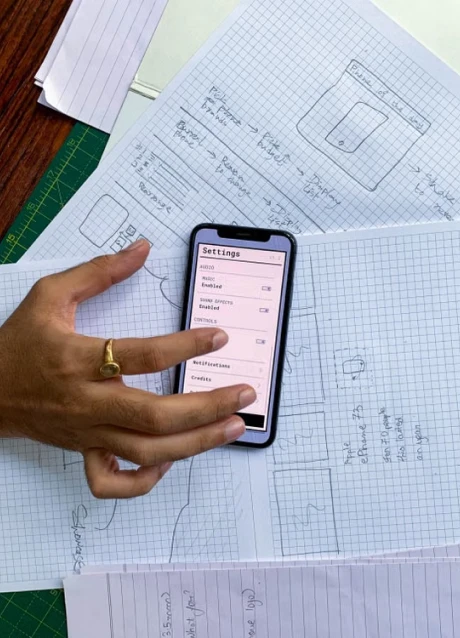
Extend an existing SaaS product with new functionality, improved user journeys, or technical changes as customer and business needs develop.
Custom Software Development · Web Application Development · Application Maintenance & Support
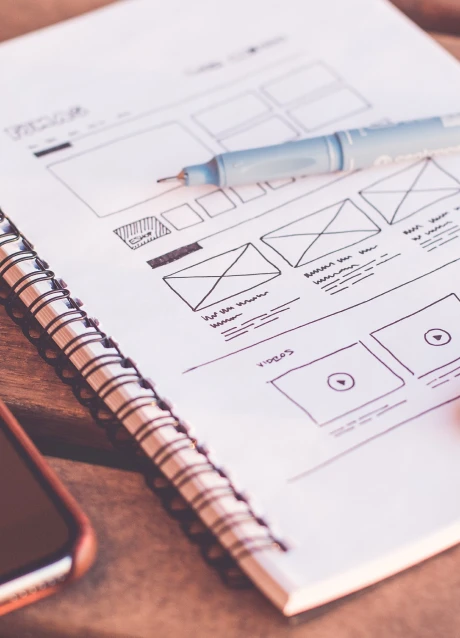
Connect your SaaS product with the external platforms, services, and APIs it needs to deliver a more complete experience.
API Integration Services · System Integrations · Custom Software Development

Improve an established SaaS platform when older technology, technical debt, or architectural limitations begin to slow product development.
Legacy System Modernization · Custom Software Development · Application Maintenance & Support

Strengthen the technical foundation when increasing users, data, or product complexity begins to put more pressure on the platform.
Application Maintenance & Support · Custom Software Development · Web Application Development
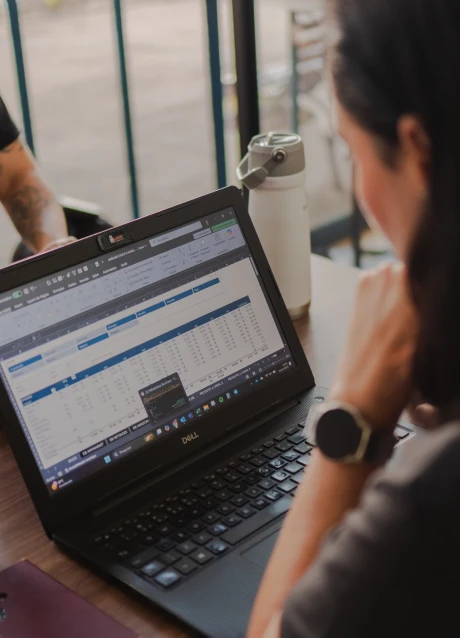
Provide the ongoing technical support your SaaS product needs after launch, from resolving issues and maintaining the platform to supporting continuous development.
Application Maintenance & Support · Custom Software Development · Dedicated Developers/Teams
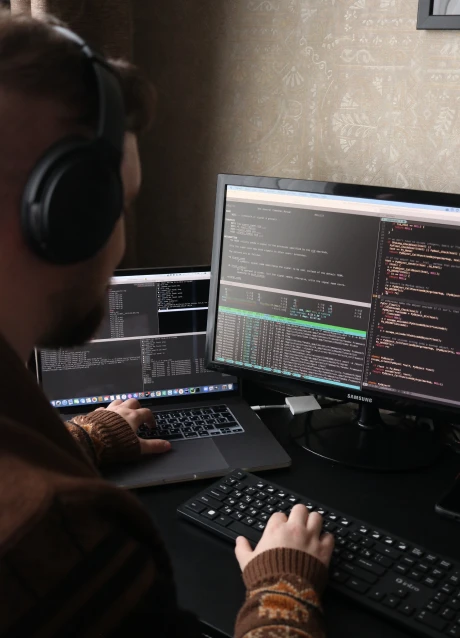
From a new product idea to the next stage of an existing platform, tell us where you want to take it and we’ll help you work out how to get there.
Maybe growth has exposed a technical limitation, development is getting harder, or you simply know something needs to improve. Bring us the problem and we’ll help you find the right way forward.
A SaaS product is never really finished. Users expect more, priorities change, and technical decisions made today can shape what is possible tomorrow. We bring the product thinking and technical judgement needed to keep moving forward without losing sight of the bigger picture.

Every release becomes part of a product people depend on. We pay attention to how new development affects performance, reliability, usability, and the rest of the platform, not just whether a feature works on its own.
We do more than work through a development backlog. We question requirements when something does not make sense, raise technical concerns early, and take responsibility for the impact our work has on the wider product.
Product decisions often involve trade-offs between what you want now and what makes sense technically over time. We explain those trade-offs clearly, so you can make informed decisions about priorities, scope, and direction.
Your roadmap will change. Your users will teach you things. New opportunities will emerge. We stay close to the product so the technology can develop alongside the business rather than becoming something you eventually have to work around.
Not every feature deserves to be built, and more functionality does not automatically make a better SaaS product. We look at what the product needs to achieve for the business and its users before deciding what the technology needs to do.
We had a great experience working with SiGa Systems on our website project. The team was proactive, approachable, and consistently delivered on time. They handled design, development, and maintenance with strong technical expertise and clear communication.

Head, Marketing at Myna Academy, Mumbai
SiGa Systems was amazing to work with. Their communication and timely responses made my first website launch smooth, successful, and set the bar high.

Cititec Talent
SiGa Systems did a great job managing several of my websites. They were reliable, responsive, professional, and easy to work with. I would definitely recommend them for webmaster services.

Safely
We’ve been working with SiGa Systems for nearly 1.5 years across multiple projects, and they have always been professional, reliable, and committed to high-quality work. They ask the right questions, understand the business, and communicate clearly. They genuinely care about the outcome.

DigiMinds Solutions
We had a great experience working with SiGa Systems on our website project. The team was proactive, approachable, and consistently delivered on time. They handled design, development, and maintenance with strong technical expertise and clear communication.
Head, Marketing at Myna Academy, Mumbai
SiGa Systems was amazing to work with. Their communication and timely responses made my first website launch smooth, successful, and set the bar high.
Cititec Talent
SiGa Systems did a great job managing several of my websites. They were reliable, responsive, professional, and easy to work with. I would definitely recommend them for webmaster services.
Safely
We’ve been working with SiGa Systems for nearly 1.5 years across multiple projects, and they have always been professional, reliable, and committed to high-quality work. They ask the right questions, understand the business, and communicate clearly. They genuinely care about the outcome.
DigiMinds Solutions
Trusted Business and clients
The technology you choose early on can shape how easily your SaaS product grows later. We select the stack with performance, scalability, integrations, and future development in mind.
HTML5
PHP
Laravel
AWS
Python
Figma
01
We learn what the product needs to achieve, who it is for, how it creates value, and what already exists if you have a product in market. This gives us the context to make better technical decisions from the start.
02
We shape the product around its core functionality, user journeys, integrations, and future development needs, creating a clear technical direction before we begin building.
03
We develop in practical stages, keeping quality, performance, maintainability, and the wider product experience in view as new functionality comes together.
04
We test the product and its critical functionality before release, making sure everything works together reliably and is ready for real-world use.
05
Launch is only one stage of a SaaS product. We use what comes next, from user feedback and new priorities to changing technical needs, to keep improving and extending the product.
That depends on what you need to learn before investing further. An MVP can help you test the core value of the product with real users, but it still needs enough technical thought behind it to avoid creating unnecessary problems later. We help define what genuinely needs to be in the first version and what can wait.
Slower development can come from growing technical debt, architecture that no longer fits the product, dependencies, code quality, or simply increasing complexity. The first step is understanding where the friction is before deciding whether the answer is refactoring, modernization, architectural changes, or something more targeted.
Frequent fixes are not automatically a reason to rebuild. The bigger signals are when technical limitations repeatedly block the roadmap, changes create problems elsewhere, performance becomes difficult to manage, or maintaining the existing product takes disproportionate effort. We assess what is still working before recommending major change.
An MVP should be focused, not disposable. We avoid unnecessary complexity while still making deliberate decisions about architecture, data, integrations, and the parts of the product most likely to evolve. The aim is to learn quickly without knowingly creating a technical dead end.
Not everything that can be built should be built. If an existing service solves a non-differentiating part of the product well, integrating it may make more business sense. Custom development is most valuable where your product needs something specific to its users, workflows, business model, or competitive value.
Yes. We first need to understand the existing codebase, architecture, infrastructure, dependencies, and current issues. From there, we can identify what can continue as it is, what needs attention, and how to take the product forward without assuming that everything needs to be rebuilt.
The goal is not to build today for every scale scenario you might face years from now. It is to understand the growth you realistically expect, identify the parts of the product most likely to come under pressure, and make architectural decisions that give you room to grow without adding unnecessary complexity now.
Look for a partner that can understand the product as well as the technology behind it. They should be able to challenge unnecessary complexity, think beyond the next release, explain technical trade-offs clearly, and make decisions with your users, business model, and long-term product direction in mind.