
Connect systems, automate manual processes, and bring operational information together so your teams can coordinate more easily and respond when things change.
Trusted by Businesses Across Industries









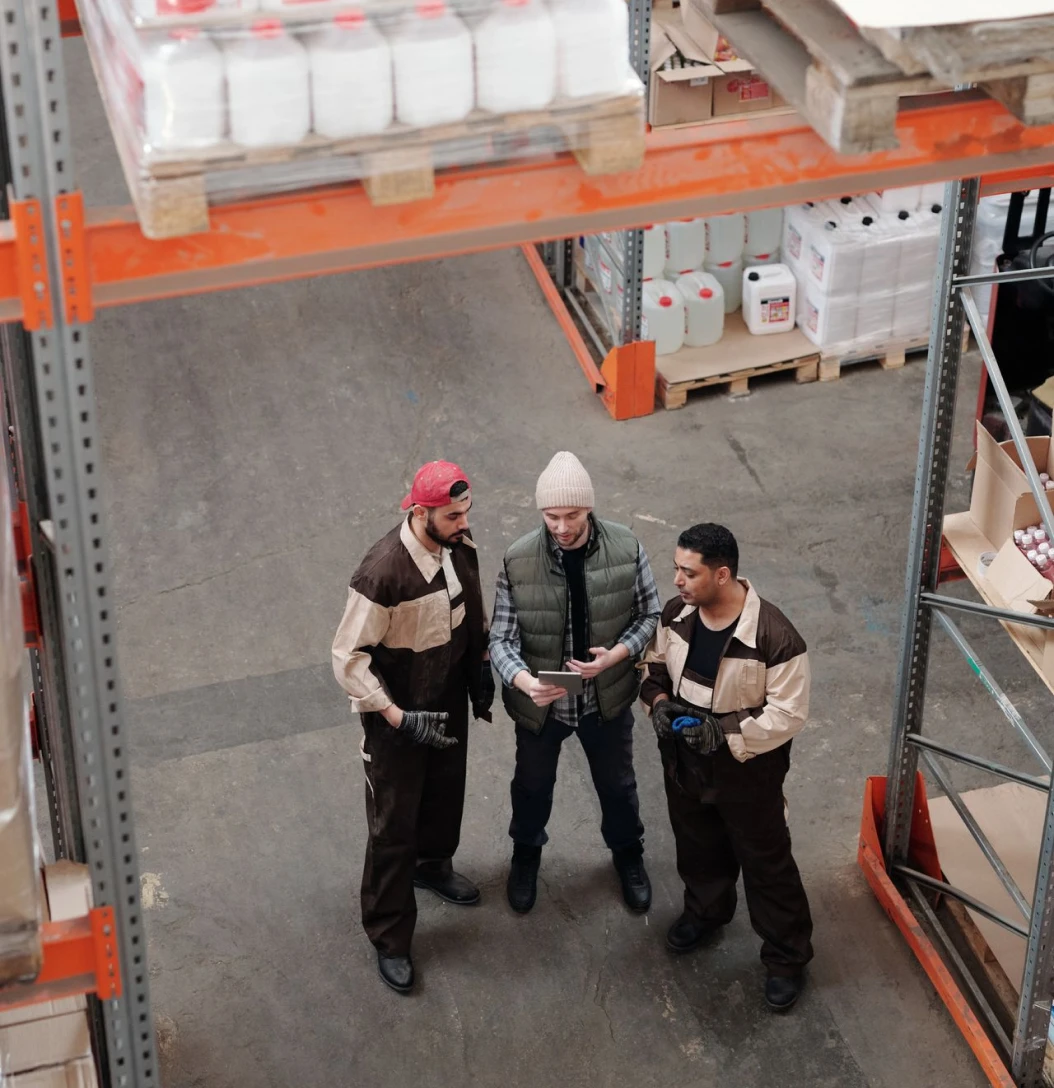
Logistics teams deal with changing schedules, multiple stakeholders, and constant updates throughout the day. When coordination breaks down, teams spend more time chasing information, resolving delays, and keeping everyone aligned.
Tell us what’s getting in the way of your operations, and we’ll explore where technology could help things run more smoothly.
From the first update to the final handoff, logistics depends on people, systems, and information staying in sync. We build the software that helps make that happen.
Bring shipment information, documents, status updates, and operational activities into one place so teams can manage shipments more easily from start to finish.
Custom Software Development · Web Application Development · Business Application Development

Plan transport activities, coordinate schedules and resources, and respond more easily when deliveries, priorities, or operational requirements change.
Custom Software Development · Business Application Development · System Integrations

Automate routine logistics processes, status updates, notifications, and information handoffs so teams spend less time coordinating work manually.
AI & Automation · Business Process Automation · System Integrations

Create dedicated digital spaces where customers, carriers, suppliers, and other partners can access information, share documents, submit requests, and follow relevant updates.
Web Application Development · Custom Software Development · Business Application Development

Bring operational data into clear dashboards and reports so teams can monitor activity, identify issues, and make informed decisions.
Dashboard Development · System Integrations · Custom Software Development

Connect the applications, databases, APIs, and third-party platforms involved in your logistics operations so information can move between them more efficiently.
System Integrations · API Integration Services · Custom Software Development

Modernize older logistics applications and systems while keeping the processes, data, and functionality your business still depends on.
Legacy System Modernization · Custom Software Development · System Integrations

Tell us what you’re planning, what needs to change, and what your operations need to support. We’ll help you work out the right way forward.
You don’t need to have the solution figured out. Tell us where things are getting difficult, and we’ll help you understand what technology could solve.
Building the right logistics technology takes more than understanding software. It means understanding how your teams work, where systems depend on each other, and what needs to happen when plans change. That is the context we bring into every technical decision.

When timing, information, and coordination matter, small technical issues can create bigger operational problems. We build with careful attention to performance, usability, and the details your teams depend on every day.
Logistics projects often touch multiple systems, workflows, and stakeholders. We keep responsibilities clear, stay involved throughout the project, and make sure issues are followed through properly.
You should always know where the project stands, what decisions are being made, and what they mean for your operation. We communicate clearly throughout the process and make technical choices understandable.
New customers, partners, processes, and systems can all change what your technology needs to handle. We build with that future in mind and remain there when the solution needs to evolve.
We do not begin with a feature list. We look at how work moves through your operation, where teams lose time or visibility, and what technology needs to make easier before deciding what to build.
We had a great experience working with SiGa Systems on our website project. The team was proactive, approachable, and consistently delivered on time. They handled design, development, and maintenance with strong technical expertise and clear communication.

Head, Marketing at Myna Academy, Mumbai
SiGa Systems was amazing to work with. Their communication and timely responses made my first website launch smooth, successful, and set the bar high.

Cititec Talent
SiGa Systems did a great job managing several of my websites. They were reliable, responsive, professional, and easy to work with. I would definitely recommend them for webmaster services.

Safely
We’ve been working with SiGa Systems for nearly 1.5 years across multiple projects, and they have always been professional, reliable, and committed to high-quality work. They ask the right questions, understand the business, and communicate clearly. They genuinely care about the outcome.

DigiMinds Solutions
We had a great experience working with SiGa Systems on our website project. The team was proactive, approachable, and consistently delivered on time. They handled design, development, and maintenance with strong technical expertise and clear communication.
Head, Marketing at Myna Academy, Mumbai
SiGa Systems was amazing to work with. Their communication and timely responses made my first website launch smooth, successful, and set the bar high.
Cititec Talent
SiGa Systems did a great job managing several of my websites. They were reliable, responsive, professional, and easy to work with. I would definitely recommend them for webmaster services.
Safely
We’ve been working with SiGa Systems for nearly 1.5 years across multiple projects, and they have always been professional, reliable, and committed to high-quality work. They ask the right questions, understand the business, and communicate clearly. They genuinely care about the outcome.
DigiMinds Solutions
Trusted Business and clients
The right technology depends on what needs to connect, how information should flow, and what your day-to-day operations require. We choose the stack that best supports that environment.
HTML5
PHP
Laravel
AWS
Python
Figma
01
We learn how your logistics operation works today, including the teams involved, the tools they use, and where delays, gaps, or unnecessary complexity occur.
02
We turn those requirements into a practical solution, defining how users, systems, data, and integrations need to work together.
03
We develop with security, scalability, and reliability in mind, while making sure the software remains practical for everyday operational use.
04
We introduce the solution carefully into your existing technology environment, testing the connections and functionality needed for a reliable launch.
05
Once the solution is in use, we can refine and extend it as volumes, requirements, integrations, or operational priorities change.
Custom logistics software can support different parts of your operation, from shipment management and transport planning to customer portals, reporting, workflow automation, and system integration. What makes sense depends on where your current processes or technology are creating limitations.
Yes. If operational information is spread across different applications, databases, or third-party platforms, we can build integrations or a central solution that makes the information your teams need easier to access and work with.
Yes. Customer and partner portals can provide controlled access to relevant updates, documents, requests, and other information, reducing the need for routine back-and-forth communication.
This depends on how your operation works, but common opportunities include notifications, approvals, data entry, document handling, information transfers, and other repetitive administrative tasks.
Yes. Custom software does not require you to redesign your operation around a standard product. We first understand how your teams work, what needs to stay, and what needs to improve, then shape the solution around those requirements.
The software can be designed so it is easier to adapt as workflows, volumes, integrations, users, or business requirements change. We consider those likely changes when deciding how the solution should be structured.
Yes. Depending on the condition of the existing platform, we may be able to modernize specific parts, add functionality, improve integrations, or extend the system rather than replace it completely.